A Logo Is Not a Brand — Here's the Difference
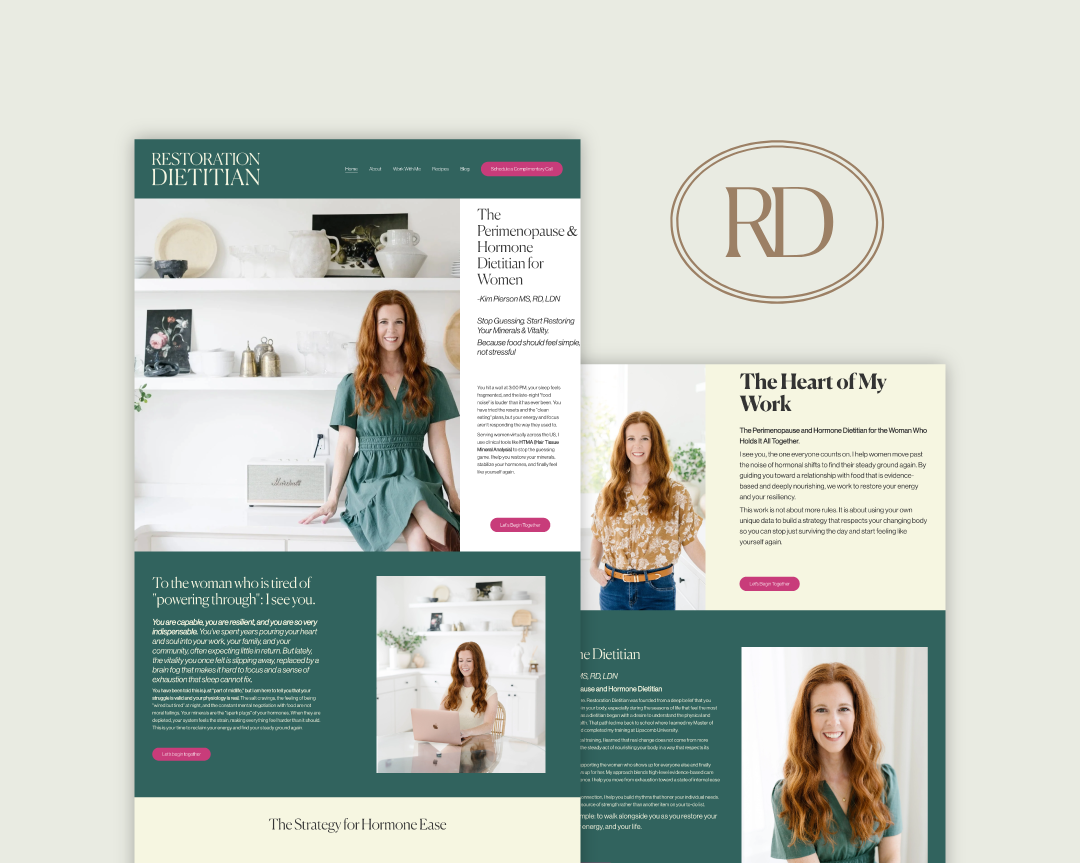
You Have a Logo. But Do You Have a Brand?
Picture this. You've just launched your business. You spent a weekend on Canva, or paid someone on Fiverr, or asked a creative friend to throw something together — and you've got a logo. It looks pretty good. You put it on your website, your Instagram profile, your email signature. You feel official.
Then six months go by.
Your Instagram feels scattered. Your website and your social profiles don't quite match. Your marketing feels like you're shouting into a void, and nothing is sticking. And somewhere in the back of your mind, you start wondering if you need a new logo.
You probably don't. The logo was never the problem.
The problem is that a logo was never going to do all that work alone. What you were actually missing (without knowing it) was a brand. And those are two very different things.
What a Logo Actually Is.
A logo is a visual mark. It's a symbol — sometimes just your business name in a specific font, sometimes an icon, sometimes both — that identifies your business at a glance. It's important. It's necessary. Every business needs one.
But think of it this way: a logo is like the cover of a book. It can attract attention, signal what's inside, and make someone want to pick it up. What it cannot do is tell the whole story. And the story is what people actually remember.
What a Brand Actually Is.
A brand is the full experience someone has with your business. It's not one thing — it's everything, all at once.
It's the feeling someone gets when they land on your website for the first time. It's the tone of your Instagram captions. It's what your proposal looks like when you send it over. It's the impression you leave on a discovery call. It's what someone says about you when they recommend you to a friend.
A brand has three core layers:
Visual identity: This is where your logo lives, but it's far bigger than just the logo. It includes your color palette, your typography, your photography style, your graphic elements, and how all of those things work together consistently across every platform and touchpoint.
Messaging : This is how you talk about your business. Your tagline. The way you describe what you do and who you help. The tone of your copy — whether it's warm, direct, playful, or polished. Messaging is the voice behind the visuals.
Perception : This is the part you don't fully control, but you absolutely influence. It's how people describe you when you're not in the room. It's the reputation your business builds over time through every interaction, every piece of content, every client experience.
A logo lives inside your visual identity. Your visual identity lives inside your brand. And your brand is the thing that actually builds trust, attracts the right clients, and makes your business memorable.
Why This Confusion Is So Common.
Here's something worth saying clearly: if you didn't know the difference, it's not because you weren't paying attention. It's because the word "branding" gets misused constantly — by designers, by agencies, by marketers who should know better.
You've probably seen freelancers advertising "branding packages" that are really just a logo and two color swatches. You've seen the word "rebrand" used to describe a new color palette. The confusion is everywhere, and it's been there from the beginning.
The business owner who thinks they're done with branding once the logo is finished isn't wrong for thinking that. They just weren't given the full picture.
What Happens When You Only Have a Logo?
When there's no brand strategy behind the logo, a few things tend to happen — quietly at first, and then all at once.
Your visuals feel inconsistent across platforms. Your website uses different colors from your Instagram. Your fonts change from one piece of content to the next. To you, it might seem like a small thing, but to a potential client, inconsistency reads as disorganization — and disorganization erodes trust before you've said a word.
Your copy doesn't connect. When messaging was never defined — when no one sat down and asked who is this for, what do they need to hear, and what makes us different — the words tend to be vague. Vague copy doesn't convert.
Your website looks fine, but doesn't perform. Design without strategy is decoration. A website that isn't built around a clear brand identity and a defined audience will look decent and do very little else.
Your marketing feels like shouting into a void. When there's no clear brand voice or audience, content becomes inconsistent and hard to sustain. You're not sure what to say, so you say a little bit of everything, and nothing lands.
None of this is the logo's fault. The logo was just asked to do a job it was never built to do.
Where to Start If You're Building a Real Brand?
The good news: building a real brand identity is more straightforward than most people think — as long as you start in the right order.
Messaging first. Before you think about colors or fonts or logos, get clear on the fundamentals. Who is your business for? What problem do you solve? What do you want people to feel when they interact with your brand? What makes you different from everyone else doing something similar? The answers to those questions become the foundation for everything else.
Visual identity second. Once your messaging is clear, your visual brand (colors, typography, logo, graphic style) should be a direct expression of it. This is where design decisions stop being arbitrary and start being strategic. Your visuals should feel like a natural extension of what your business stands for.
Execution third. With a clear message and a cohesive visual identity in place, your marketing actually has something to work with. Your website, your social content, your emails — all of it becomes easier to create and more consistent to maintain because it's all pulling from the same foundation.
The logo comes out of this process. It doesn't start it.
A Logo Is a Starting Point, Not a Finish Line
If you've been in business for a while and something still feels off — if your marketing doesn't quite reflect the quality of your work, if your brand feels scattered, if you cringe a little when you send someone to your website — it's probably not the logo. It's the brand underneath it.
The good news is that you don't have to figure out where to start on your own. Launch38 builds complete brand identities (strategy, visuals, and website) in one week, at a price point made for businesses that are ready to do this right.